Education lighting for school season
Education plays a significant role within our lives from infancy through to adulthood. It is therefore important that we create comfortable, inclusive learning environments, as they play a vital role in supporting the wellbeing of students and staff.
High quality lighting has the ability to enhance visual communication, help lower stress levels and aid student performance, enabling students to be nurtured to their full potential.
Check out our brochure on Lighting Design for Educational Environments
Types of education lighting:
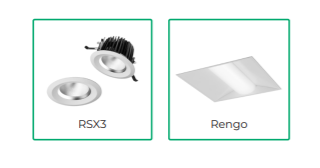
Classrooms
Each application must reflect the lighting standards requirements and ensure compliance with a defined set of metrics including wall, cylindrical and horizontal illuminance.
It is essential that lighting controls are straightforward and logical to the user, whilst minimising energy consumption.
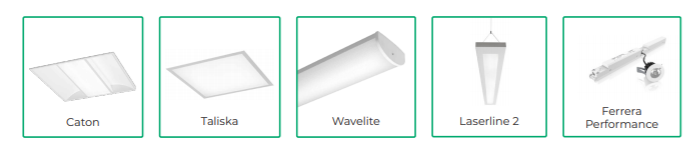
Lecture halls

The use of low glare and limited veiling can improve audience comfort, focus and aid efficient note-taking. To guarantee the users sightlines are not obstructed and screens can be viewed, suitable product choice and lighting position is crucial.
Sports facilities
While school sport hall lighting levels are specified at 300 lux, reviewal of club use for example for assessment taking and specific sports games may necessitate higher light levels, albeit not at all times or (spanning/covering) the entire hall.
Indirect luminaires and glare control are recommended to give sufficient light on the vertical surfaces.
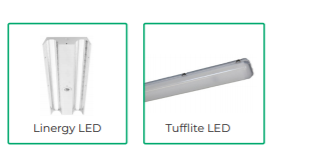
Libraries & study areas
The lighting arrangement should look to create a learning environment which users feel comfortable in, whilst positively enhancing student productivity. The design of a library may prompt an alternative layout which creates separate zones.
Lighting groups can be modified and changed so a base degree of illuminance is given all throughout the area. Presence detection is then used to raise the illuminating levels in singular zones as required.
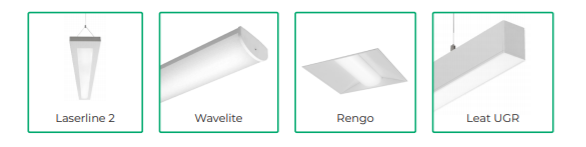
Common areas
Sufficiently lit walls and notice boards will help coordinate guests through a protected and clear-cut passage. Since many corridors are empty during classes, it is essential to utilise controls to save energy when these zones are vacant.
Presence detectors are a cost-efficient way of reducing the energy consumption.