Can lighting improve safety?
Workplaces and lighting safety:

Brighter levels of light do make people feel safer
Appropriate lighting, without glare or shadows, can reduce eye fatigue and headaches. It highlights moving machinery and other safety hazards. It also reduces the chance of accidents and injuries from ‘momentary blindness’ while the eyes adjust to brighter or darker surroundings.
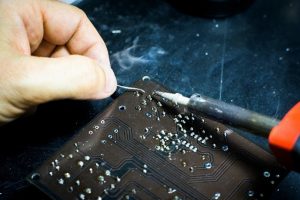
At its simplest, different levels of lighting are required for different types of work; close, accurate work such as soldering a control panel will require higher light levels than walking down a corridor.
However, when considering lighting, a number of different factors need to be considered such as colour, contrast, glare and so on. More information on Lighting. Directional sources of light can bounce off reflective surfaces such as display screens and cause glare.
Using blinds, correcting the angle of the source of light and using glare filters can help control this, as can the use of up-lighting.
There are a number of workplace lighting regulations and safety protocols that certain facilities must take into place for the best productivity and safety of their employees.
Outdoor safety and lighting:
Research has shown that darkness produces a large reduction in the number of people out walking – and a major reason for this is that people feel less safe walking in the dark.
Street lights may or may not have an effect on crime, but one thing’s for sure – brighter levels of light do make people feel safer when walking at night. This can lead to a significant increase in the number of minutes people spend walking each week. It can also reduce the number of people who avoid leaving their homes at night, reduce social isolation, improve physical and mental well-being and increase community pride.
LED lighting and street lights have not statistically proven to eradicate crime but they have show to support in terms of people feeling safer, as well as workplaces operating more safely.
For more information on the correct lighting tailored to your workspace, facility and employees give us a call: 0161 274 0165
Lighting at work, HSG38, ISBN 07176-12325
- Chartered Institution of Building Services Engineers (CIBSE)
- Workplace transport (PDF) : Pages 6-8 of ‘Measuring workplace transport safety performance’ deal with lighting and conspicuity – how well pedestrians can be seen – in controlling the risks of workplace transport (HSL/2005/03)
- Slips, trips and falls (PDF) : Identifying human factors associated with slip and trip accidents (RR382)
- Falls on stairways (PDF) – literature review (HSL/2005/10)
- Emergency Lighting (PDF) : Review of emergency lighting and way-guidance systems for offshore structures (OTH95:499).


